Resources · 3 minute read
Embracing stillness: a journey to discovering your inner peace
Stillness is not the absence of thoughts. A short piece on what it actually is, why it feels uncomfortable at first, and how to find a little of it in an ordinary day.
Draft written for Nina’s voice. For her review before it goes live.
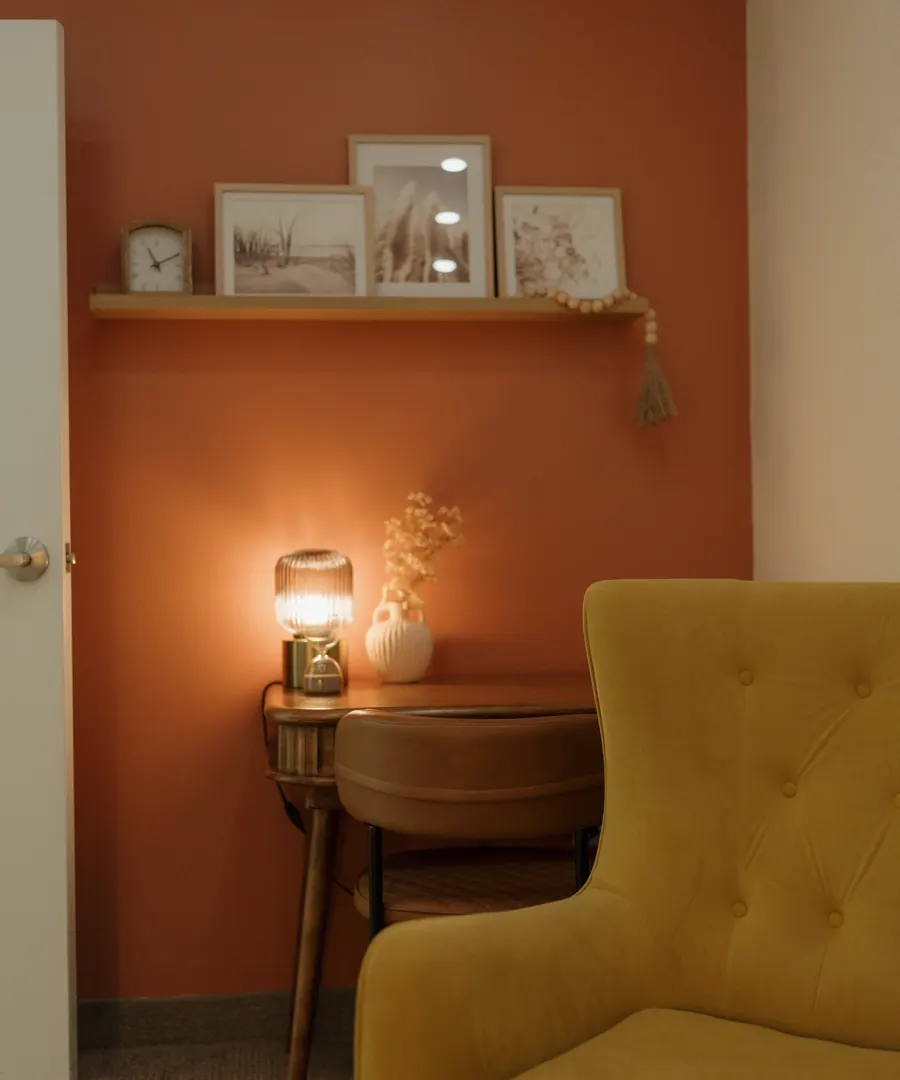
People often tell us they cannot meditate because they cannot stop thinking. That is a relief to hear, because nobody can. Stillness is not an empty mind. It is a mind that has stopped fighting what is in it.
Why stillness feels uncomfortable at first
If you are used to being busy, the first quiet minutes can feel like something is wrong. The body is waiting for the next task. Feelings that had nowhere to land during the day arrive all at once. This is not a sign that stillness is bad for you. It is a sign that there was a lot waiting.
It gets easier, and it gets easier faster than most people expect. The discomfort is the door, not the room.
Small stillness, on purpose
You do not need a retreat. Stillness fits in the gaps: the kettle boiling, the light turning red, the first minute after you park the car. Instead of reaching for your phone, let the minute be a minute. Notice three things you can see, two you can hear, one you can feel. That is the whole practice.
Walking counts. A slow ten minutes without headphones, paying attention to your feet and the air, does more than most people believe.
What inner peace actually looks like
It is rarely bliss. More often it is the ability to have a hard feeling without being flattened by it, to make a decision without a week of dread, to be in a room with someone and actually be there. It is a steadiness, and it is built in small, repeated moments rather than found in one big one.
If sitting with yourself feels unbearable rather than just unfamiliar, that is worth talking about. Therapy is, among other things, a place to practise stillness with someone beside you.
More to read